
Granny flat builds, start to finish
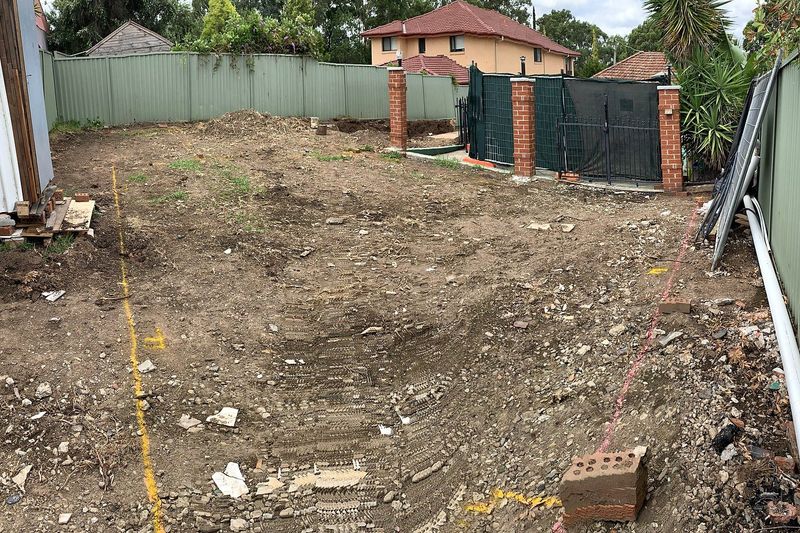
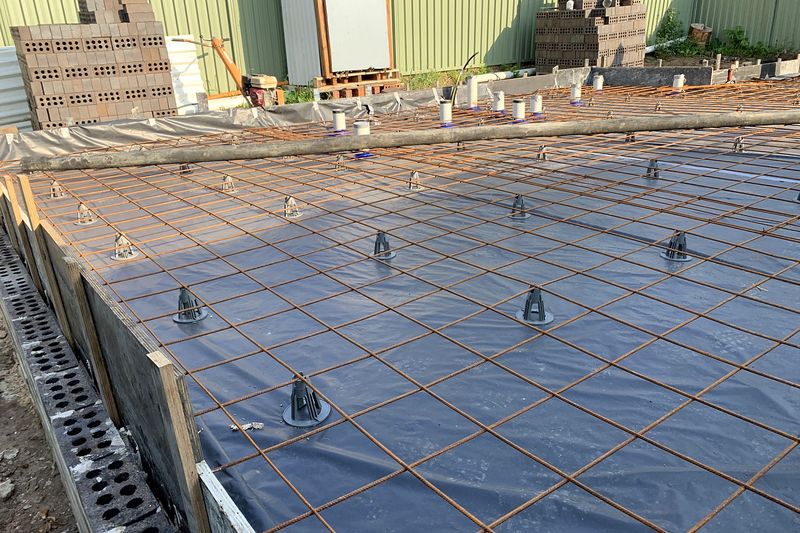
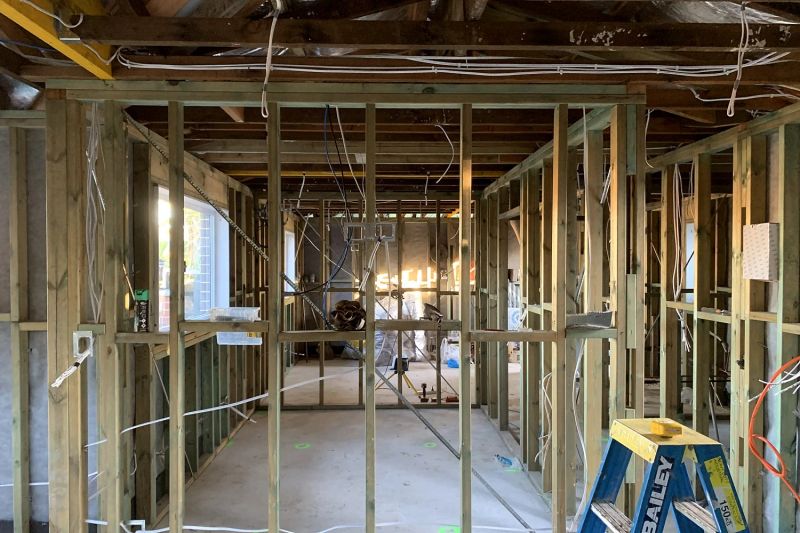
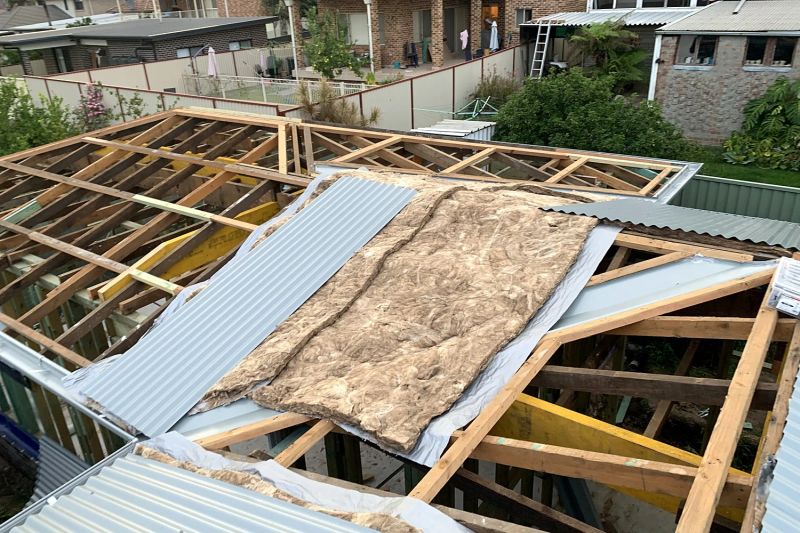
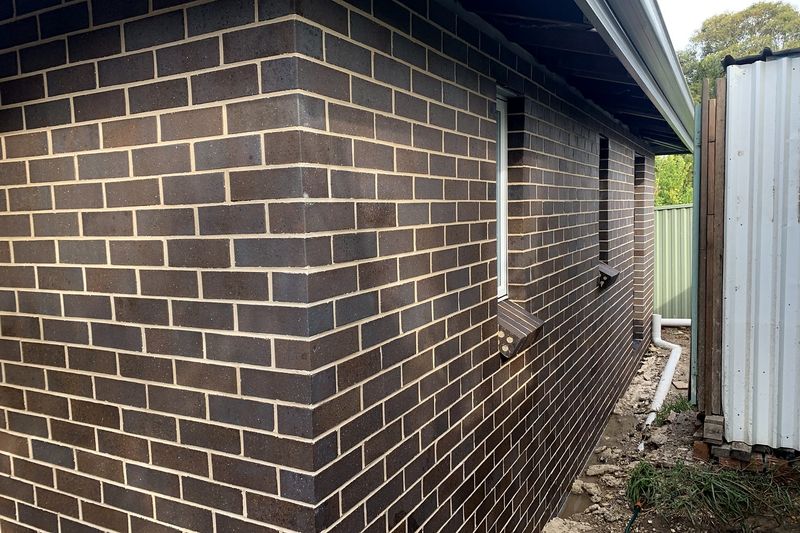
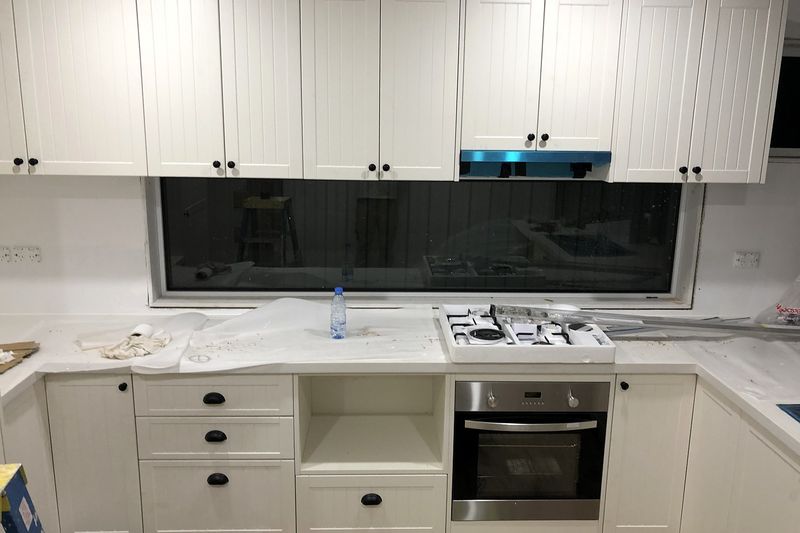
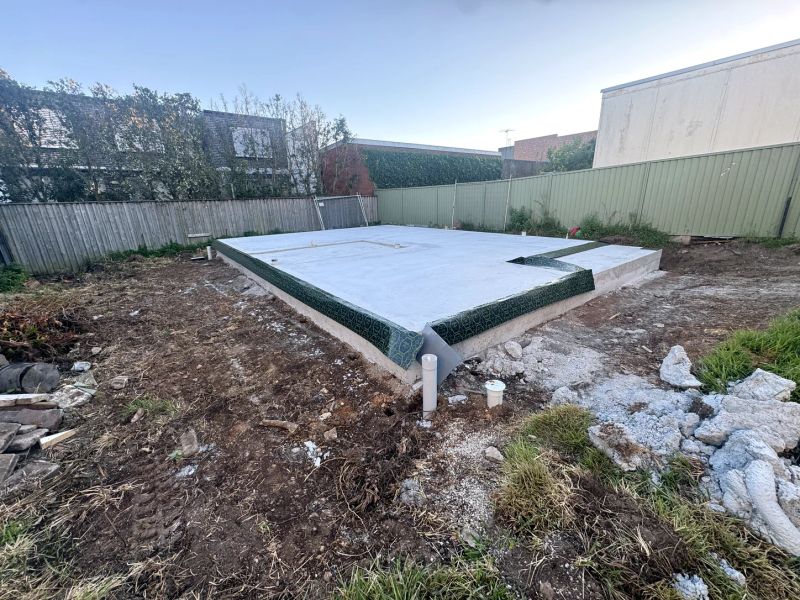
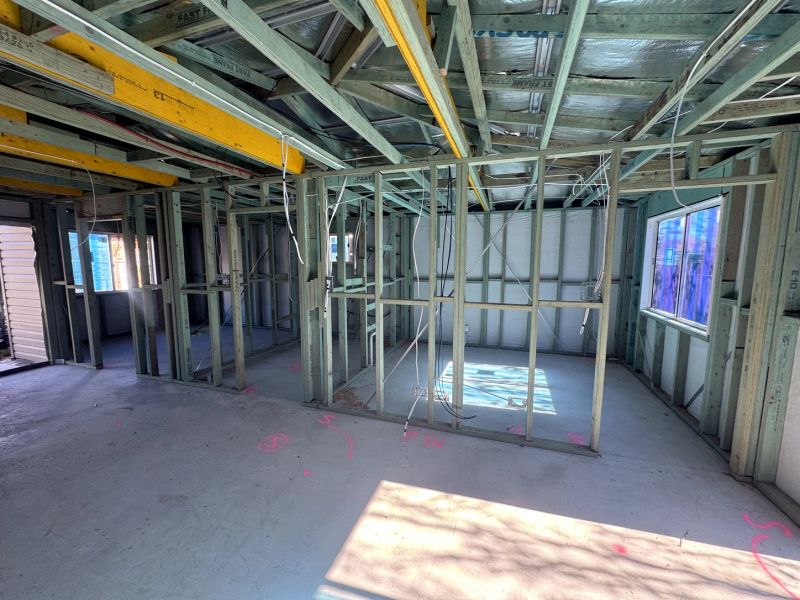
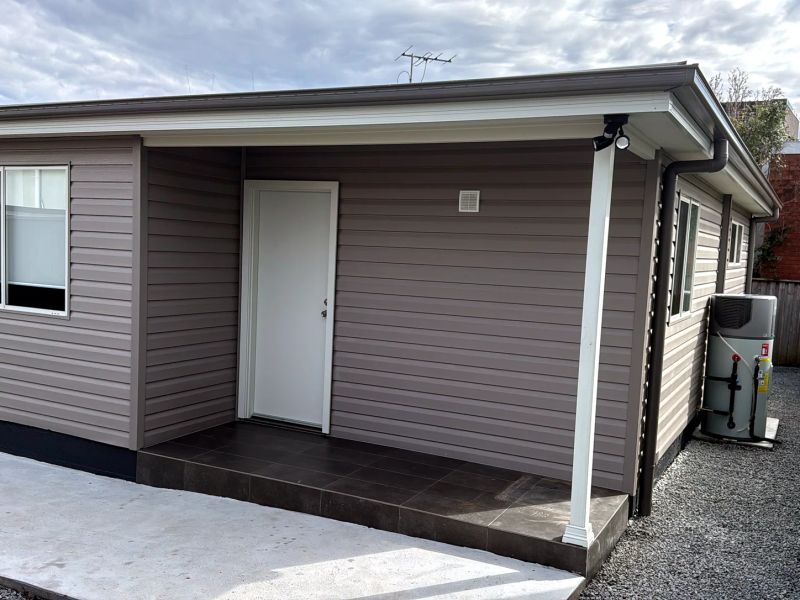
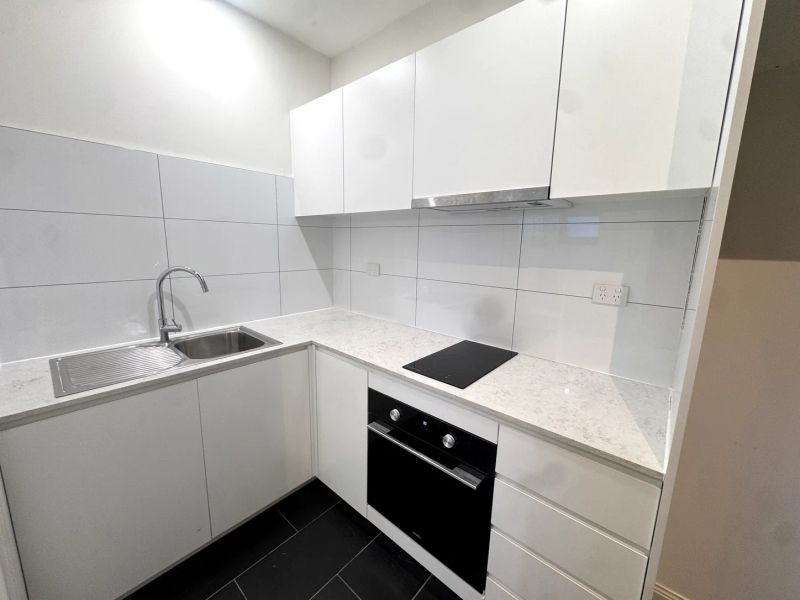
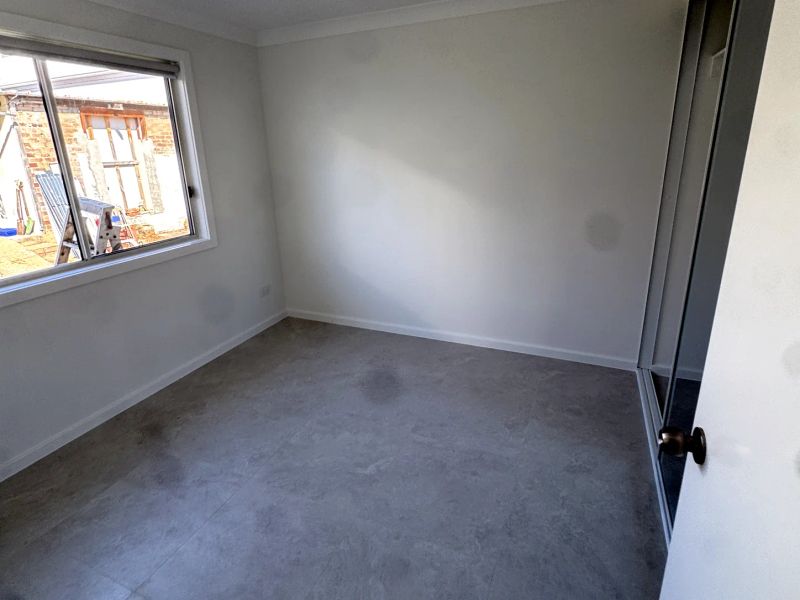
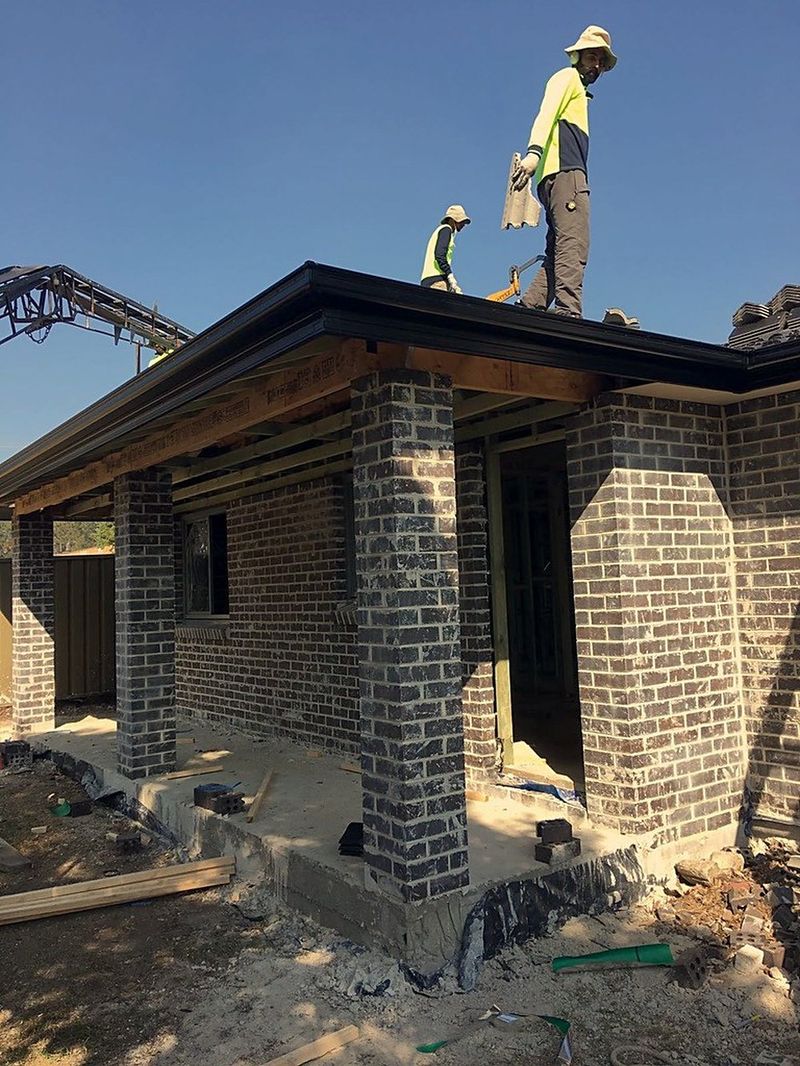
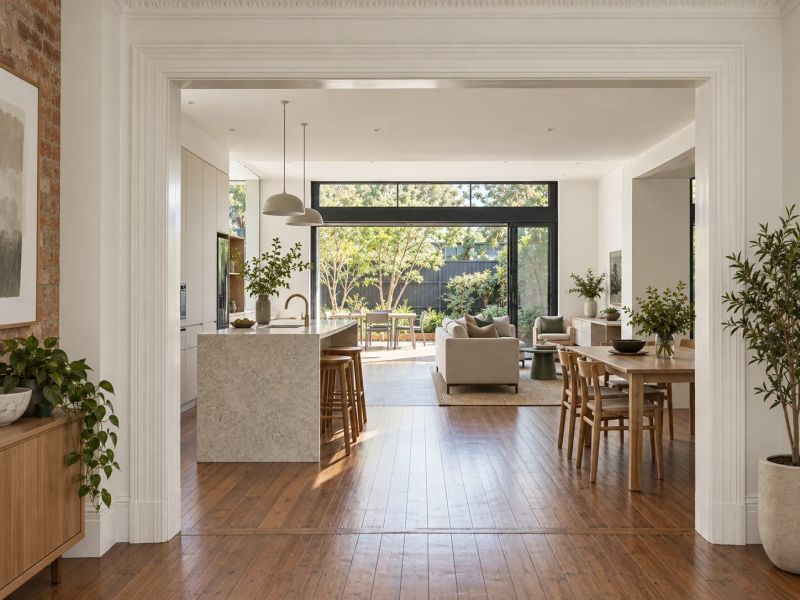
Two recent builds: a brick flat from cleared site to finished kitchen, and a clad flat from slab to handover.
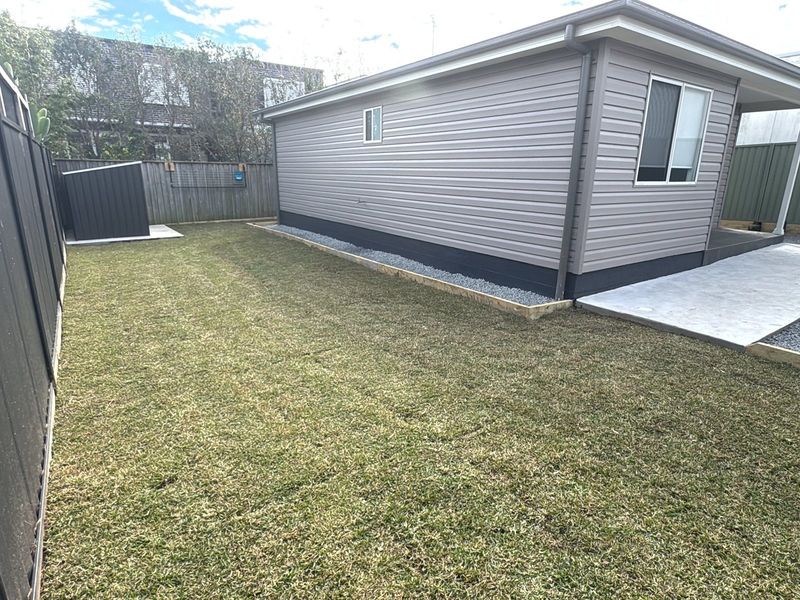
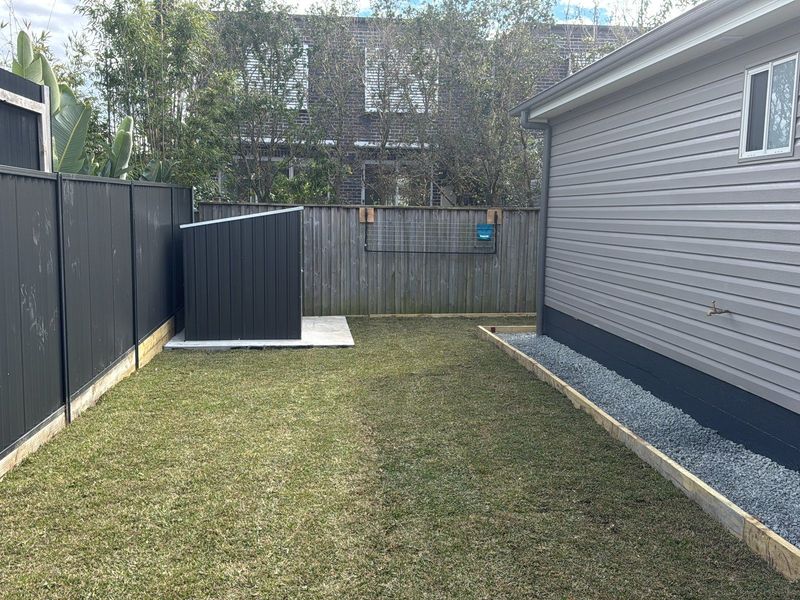
Wondering if your block qualifies?
Send the address. We'll check lot size, access and services before anyone draws a plan.
The block first, the design second
Whether your block qualifies, which NSW approval pathway applies, and what the site adds to the cost.
Site feasibility
Lot size, width, setbacks, private open space and existing site coverage decide whether a secondary dwelling is possible at all.
Approval pathway
A compliant granny flat can often go through as complying development instead of a full DA, which is a much faster timeline. We work out which applies.
Access and services
Getting materials to the back of the block and running water, sewer, power and stormwater is often the biggest unbudgeted cost.
Built as a home, not an outbuilding
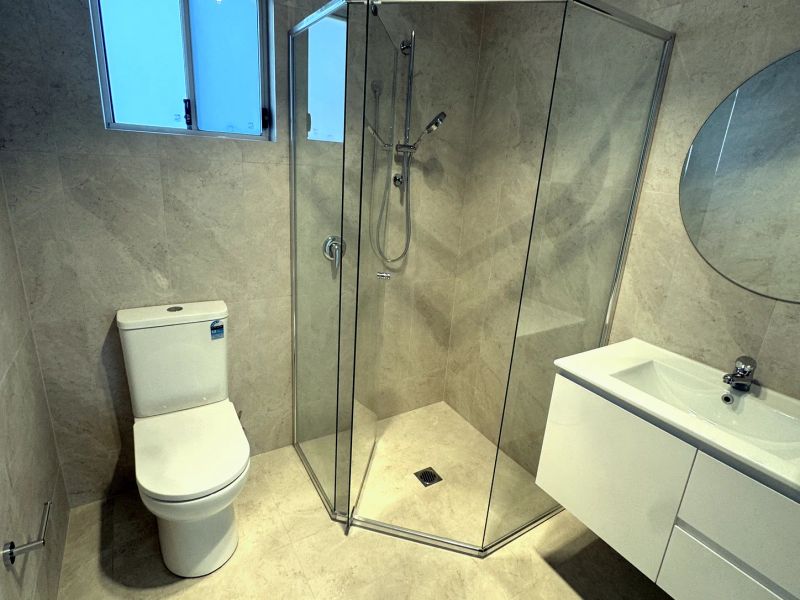
Insulation, waterproofing, glazing and finishes to the same standard as the main house, because someone will live in it year round.
The granny flat costs that appear after the quote
Granny flat prices are often quoted off a floor plan, and a floor plan knows nothing about your block.
Site costs are the biggest surprise. Getting a concrete truck and a frame delivery to the back of a narrow block can mean hand-barrowing, crane hire or removing a fence. A sloping site adds retaining and drainage.
Services come next. The new dwelling needs its own water, sewer, power and stormwater, and if the sewer junction is at the front, that trench runs the length of the block.
Third, complying development doesn't always apply. Easements, overland flow paths, heritage areas and bushfire zones can push a job back to a full DA.
So we price after seeing the block. Where the flat needs to suit someone with access needs, the NDIS home modifications specification is settled at that first visit, and where the main house is being renovated too, it runs as a full house renovation on one program.
A granny flat is a house, and it is regulated like one
A granny flat is a habitable dwelling. It meets the same code, energy and certification rules as the main house. Sydney Property Works Pty Ltd holds NSW Contractor Licence 492200C.
Built to the NCC edition in force
The NCC covers structure, fire separation, ceiling heights, ventilation, waterproofing and energy. Builds quoted now follow NCC 2022, which NSW applies until NCC 2025 starts on 1 May 2027. Being small earns no exemptions.
BASIX and energy requirements
New NSW dwellings need a BASIX certificate for water, thermal comfort and energy. It shapes glazing, insulation and hot water, so we settle it before the design is final.
Certified, not just finished
A certifier signs off defined stages and issues an occupation certificate at the end. That document makes the flat legally habitable and rentable, and it's hard to get after the fact.
Wet areas to AS 3740:2021
The bathroom and laundry are waterproofed to the current Australian Standard, with the certificate in your name. If the flat will be tenanted, that document matters even more.
Feasibility, approval, build
The build is the predictable part. Most of the variation sits in the first two stages, so we do them properly.
Site check
We look at the block, the existing house, access and services, and tell you straight whether it stacks up.
Design and approval
A layout that fits the site and the rules, lodged as complying development where possible or a DA where not.
Written scope and quote
Full scope, inclusions and allowances in writing, with site costs shown separately.
Build
Slab, frame, roof, lock-up, services, lining and fit-out, sequenced around access to the back of the block.
Certification and handover
Final inspections, occupation certificate and keys, ready to live in or rent.
Beyond the granny flat
A second dwelling often comes with other work on the same block.
What Sydney owners ask before building one
How a granny flat is priced in Sydney, whether your block is big enough, whether you need a DA or complying development approval, and whether you can rent it out separately.
What does a granny flat cost in Sydney?
There are two numbers. The build cost covers the dwelling and is fairly predictable. The site cost covers what your block demands: excavation, rock, tree removal, service connections, restricted access and stormwater. That's where the variation lives. We price both separately and itemise the site cost, so you can see whether another quote has included the same things or left them out until later.
Is my block big enough for a granny flat?
In NSW the State Environmental Planning Policy for secondary dwellings sets minimum lot requirements, and councils apply their own controls on top. Lot size is only part of it — width, setbacks and how much private open space is left over all matter. The quickest answer comes from us looking at the block.
Do I need a DA or can it go through as complying development?
If the site and the design meet every criterion, a secondary dwelling can be approved as complying development, which is materially faster than a development application. Easements, flood or bushfire mapping and heritage conservation areas commonly push a job back to a DA.
Can I rent it out separately?
A secondary dwelling approved under the NSW policy can generally be rented separately, which is one reason the pathway exists. It cannot usually be subdivided off and sold as a separate lot — that is a different process altogether.
How long does the whole thing take?
Approval is the variable. Complying development is measured in weeks where everything lines up; a DA is measured in months. The build itself is more predictable once approval is in hand and services are sorted.
What are site costs and why are they separate?
Site costs cover getting the work done on your particular block: access for materials, excavation, retaining on a slope, drainage, and running services to the rear. They vary enormously between properties, which is why an honest quote identifies them separately rather than hiding them in a headline price.
Does it have to match the existing house?
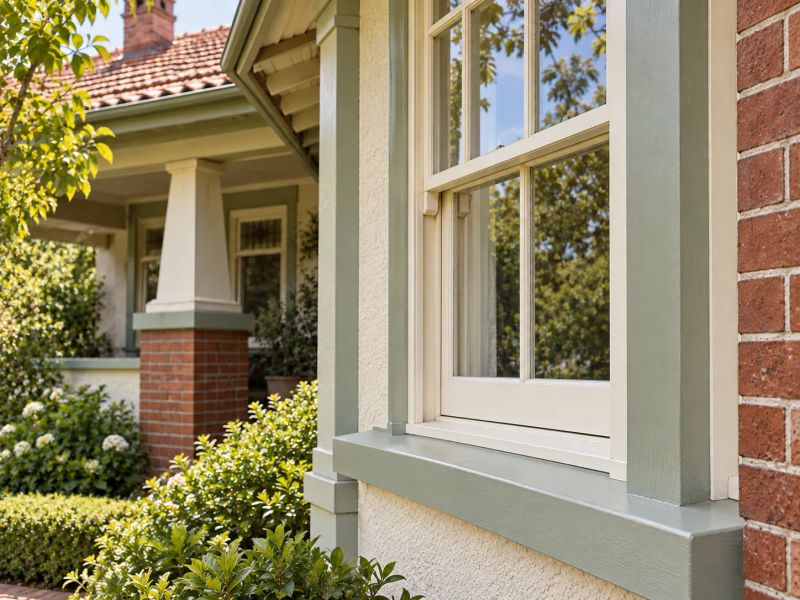
Not identically, but it should sit comfortably with it. Rooflines, eaves and external materials that relate to the main dwelling tend to read better and hold value — and in a conservation area it may be a requirement rather than a preference.
What happens to my money if the builder goes under mid-build?
Your money is protected. A granny flat build clears the $20,000 threshold, so it carries Home Building Compensation Fund cover, and we send you the certificate before we take a deposit or start work. If we couldn't finish the build or fix a defect, you can claim up to $340,000: six years for major defects, two years for everything else.
What warranty do I get on a granny flat build?
Statutory warranties under the NSW Home Building Act apply automatically and cannot be contracted out of — six years from completion for a major defect, two years for anything else, plus an extra six months if a defect surfaces in the final six months of that period. It sits alongside the certificates and occupation certificate you get at handover.








Send us the address and we will check the block
The property address is the single most useful thing you can give us — it tells us the zoning, the lot size and the likely approval pathway before anyone spends money on design.
- Visit us5/49 Carrington Rd, Marrickville NSW 2204, Australia
- Call us0404 767 374
- Email usinfo@sydneypropertyworks.com.au
- Opening hoursMon – Fri: 8:00 AM – 5:00 PM, Sat: 8:00 AM – 2:00 PM, Sun: Closed
Find out what your block will take
We will come and look at the site, check the constraints, and tell you honestly whether a secondary dwelling stacks up before you spend anything on design.